

A few weeks ago, during our short vacation in Mahabalipuram, we had planned to simply relax at the Radisson Blu Mamallapuram resort. Having visited the town countless times before, the idea was to take it easy. But, as it turned out, we ended up exploring a few of the famous landmarks, along with a delightful darshan at the Sri Sthala Sayana Perumal Temple and a satisfying meal at Madras Chronicle.
It has been nearly forty years since I first visited Mahabalipuram. From school excursions to trips with family, friends, colleagues, and even solo visits, I’ve seen this place evolve over time. For this visit, we decided to keep things simple. Leaving our car at the resort, we walked to Mamallaa Heritage Restaurant for lunch and then hired an autorickshaw for INR 100 to visit Pancha RathasExploring the Landmarks of Mahabalipuram. From there, another short ride took us to the iconic Shore Temple before heading back. November’s rainy season ensured pleasant weather, though I’d still recommend carrying a hat, sunglasses, and a bottle of water. The entrance ticket to the monuments costs INR 40 for Indian citizens and INR 600 (USD 7.20) for foreign visitors, one ticket will permit you to visit all the landmarks in the area.
As a UNESCO World Heritage Site, the 7th and 8th-century landmarks of Mahabalipuram are well-documented. So here, I’ll mostly share the photos from this visit and a few from earlier trips, along with brief introductions to some of the key attractions. To learn about the 2000 years of Mamallapuram, you can watch the video of the Tamil Heritage trust talk by Historian Mr R Gopu.

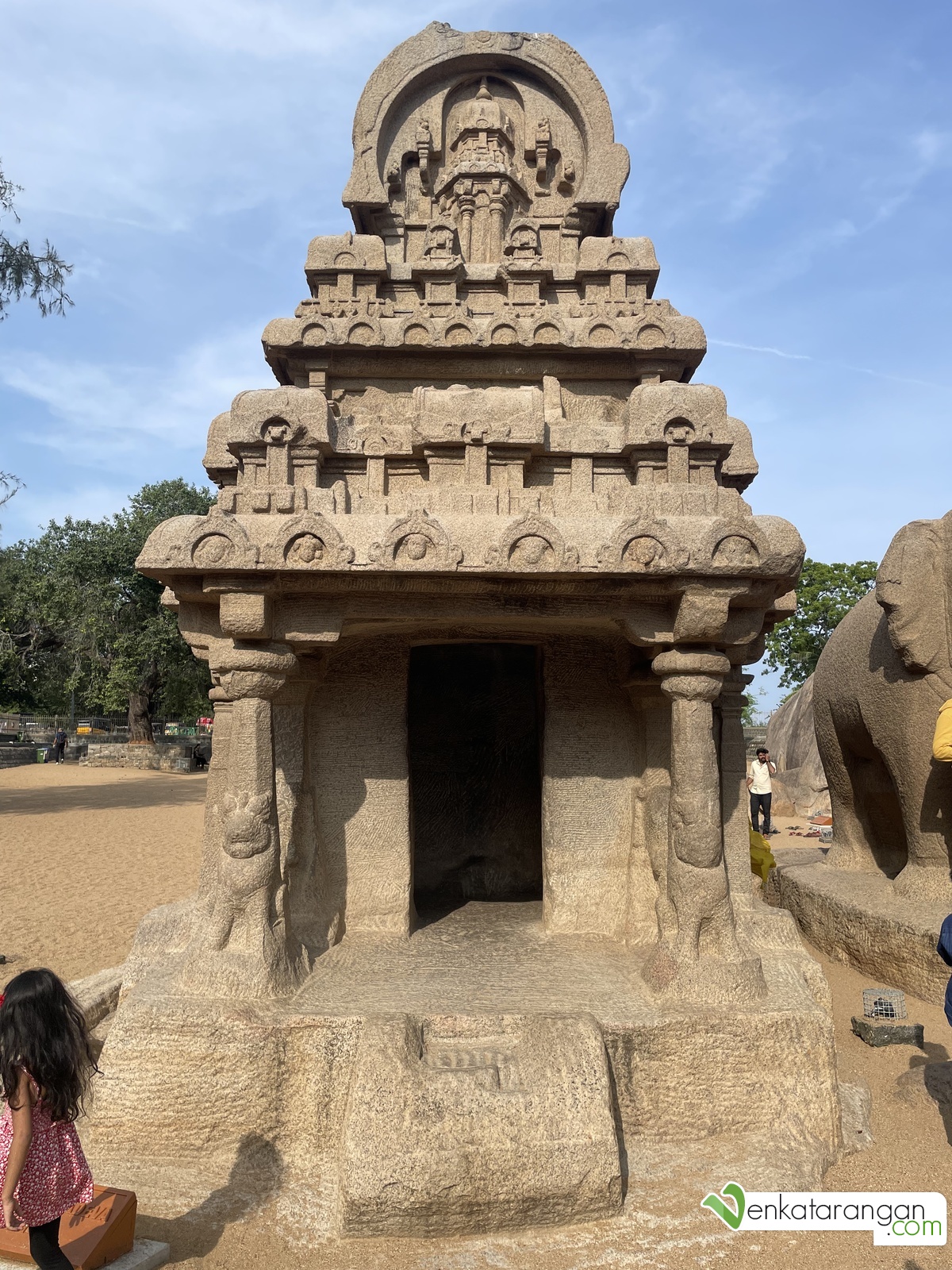
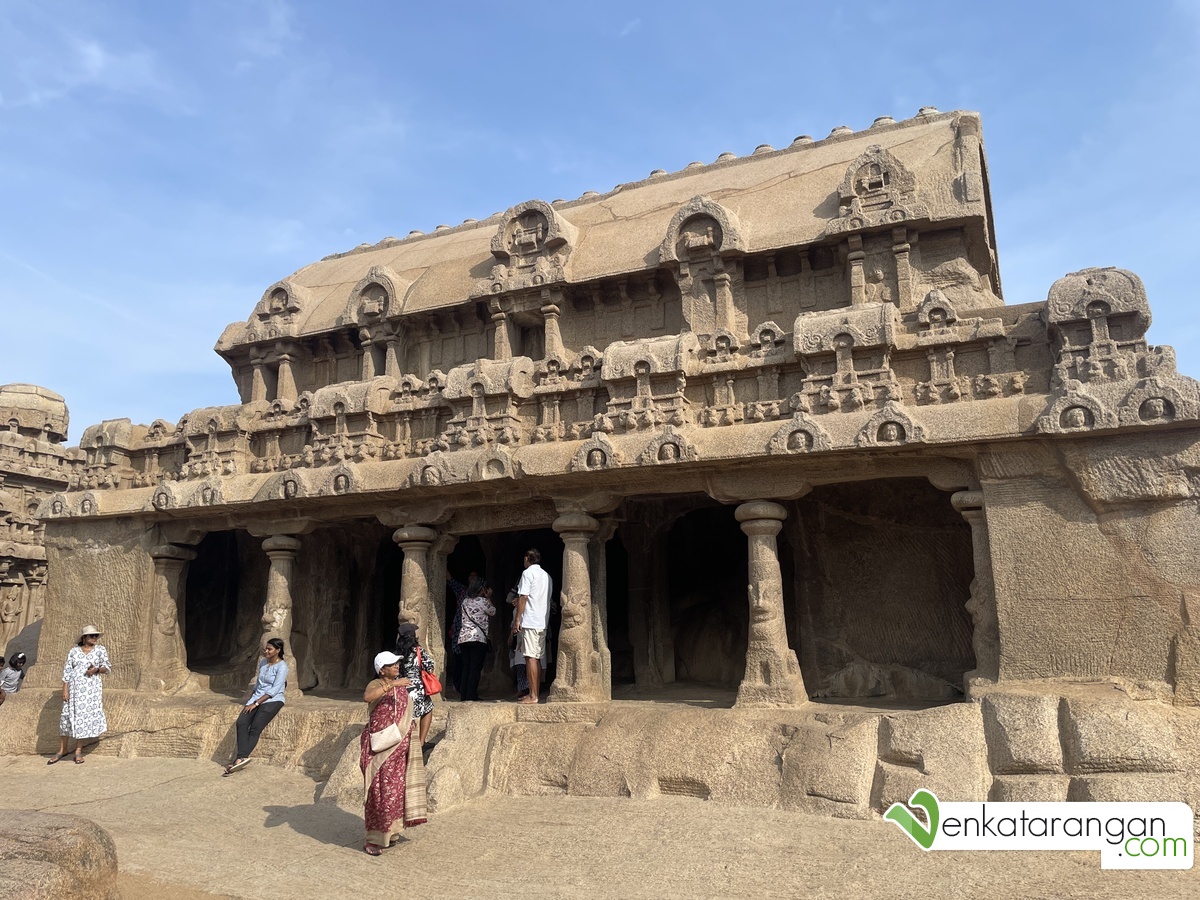
Pancha Rathas (ஐஞ்சு ரதம்)
Pancha Rathas, or the Five Rathas, are monolithic rock-cut temples sculpted in the form of chariots. Each ratha is carved from a single granite block and represents a Pandava from the Mahabharata. While they were never completed or used for worship, these structures showcase the exceptional craftsmanship of Pallava architects.





Shore Temple
Perched on the coastline, the Shore Temple is perhaps Mahabalipuram’s most iconic monument. Dating back to the 8th century, it’s a structural temple built from granite blocks, unlike the rock-cut style of the other monuments here. Dedicated to Lord Shiva and Vishnu, the temple’s location by the sea offers a stunning backdrop, especially during sunrise and sunset.


Arjuna’s Penance (Descent of the Ganges)
This massive bas-relief sculpture is carved onto two giant boulders. It depicts a beautiful mythological scene where the sage Bhagiratha prays to Lord Shiva to bring the Ganges down to Earth. The intricate carvings of celestial beings, animals, and daily life make this a remarkable piece of art, showcasing the Pallavas’ storytelling skills through stone.

Krishna’s Butterball
A fun and quirky sight, Krishna’s Butterball is a giant granite boulder precariously balanced on a slope. It’s believed to represent Lord Krishna’s playful habit of stealing butter as a child. Though it seems like it might roll down any second, it has stood firm for centuries. Visitors, especially kids, love posing near it and testing their strength by pretending to “push” the giant rock.


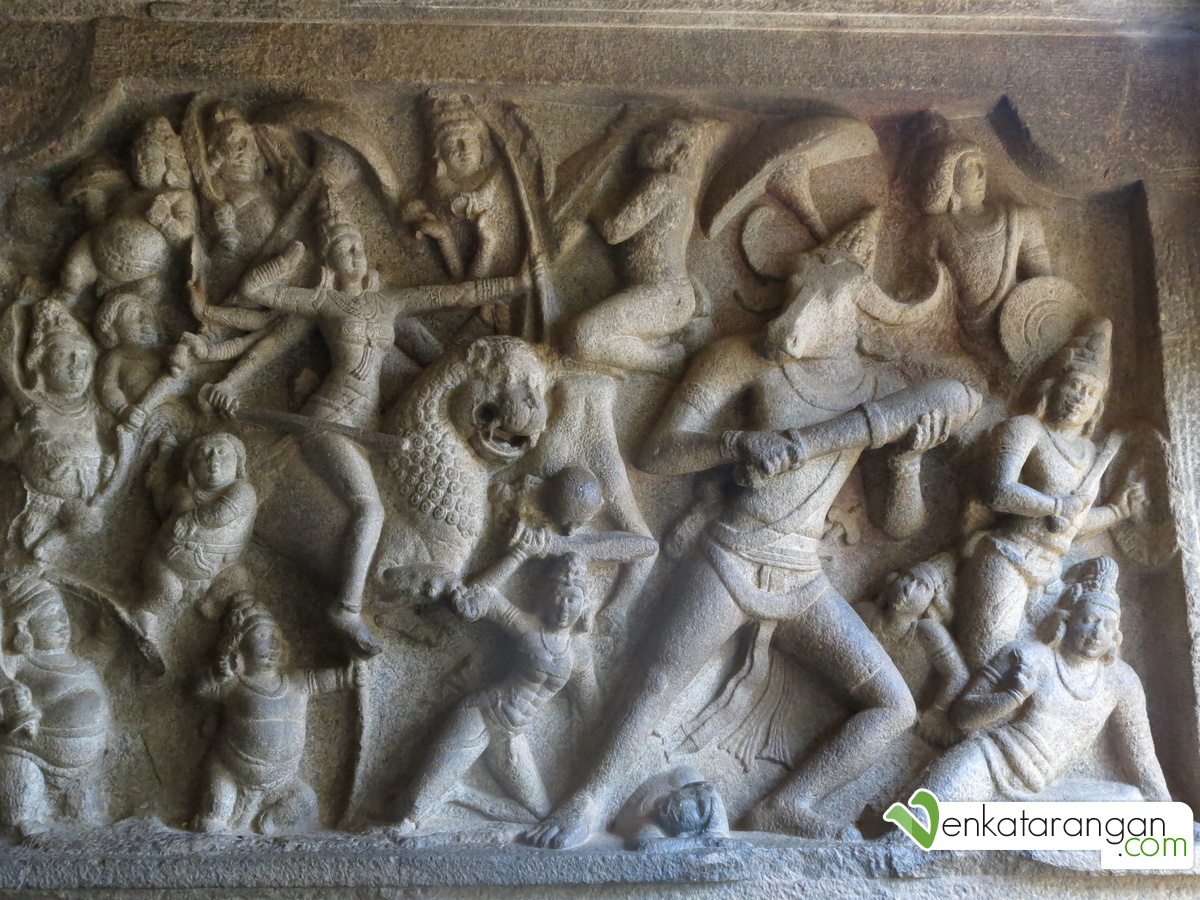
Mahishasuramardini Cave
This rock-cut cave temple features intricate carvings depicting the Goddess Durga slaying the demon Mahishasura. The central panel inside the cave beautifully portrays this dramatic moment, with the goddess riding her lion.

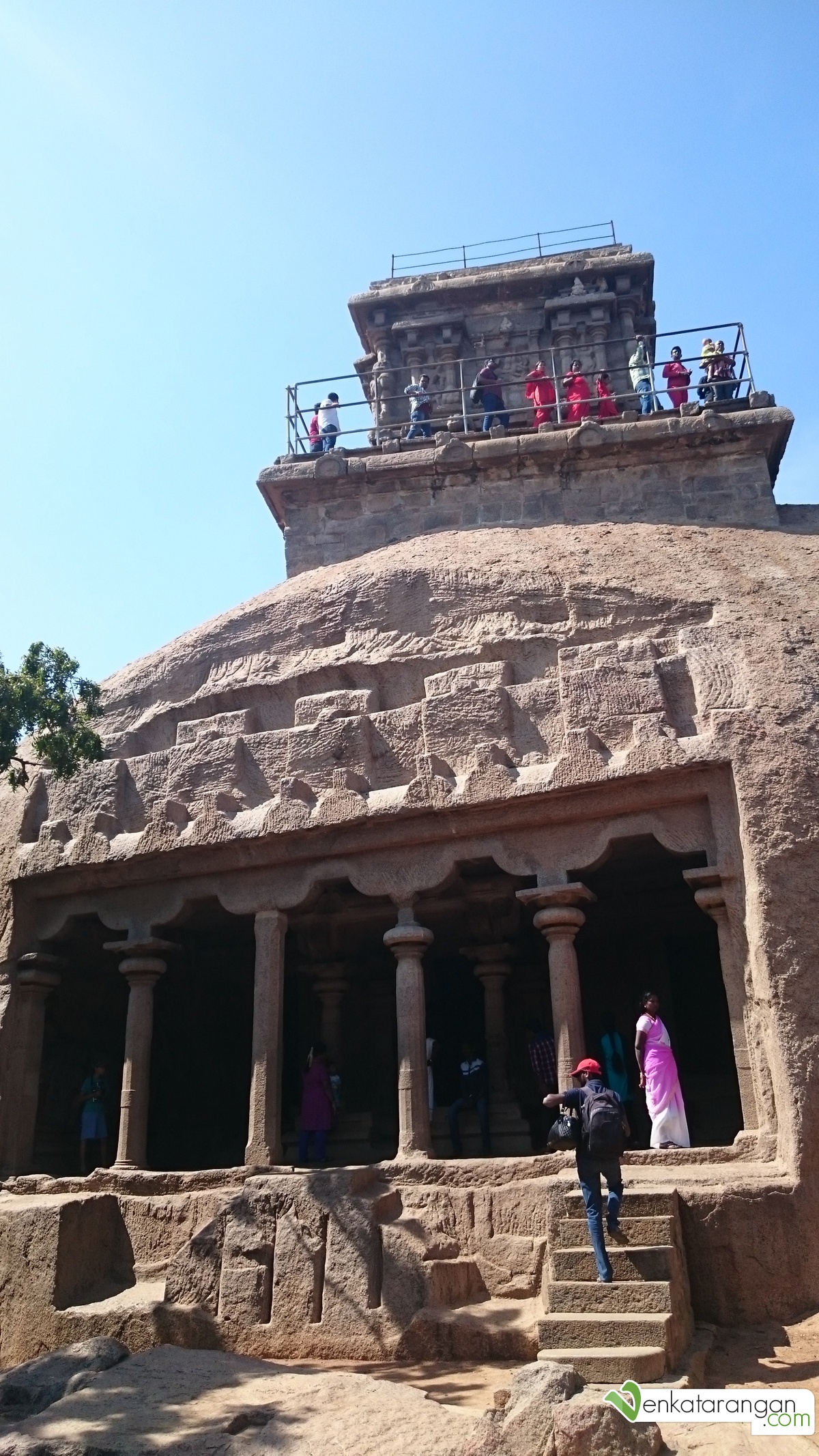
Mahabalipuram continues to amaze me with its timeless beauty and the fascinating stories etched in its stones. This visit felt like a walk down memory lane, but each time I came here, the grandeur of these monuments felt just as fresh and inspiring.
Discover more from Mangoidiots.com
Subscribe to get the latest posts sent to your email.