

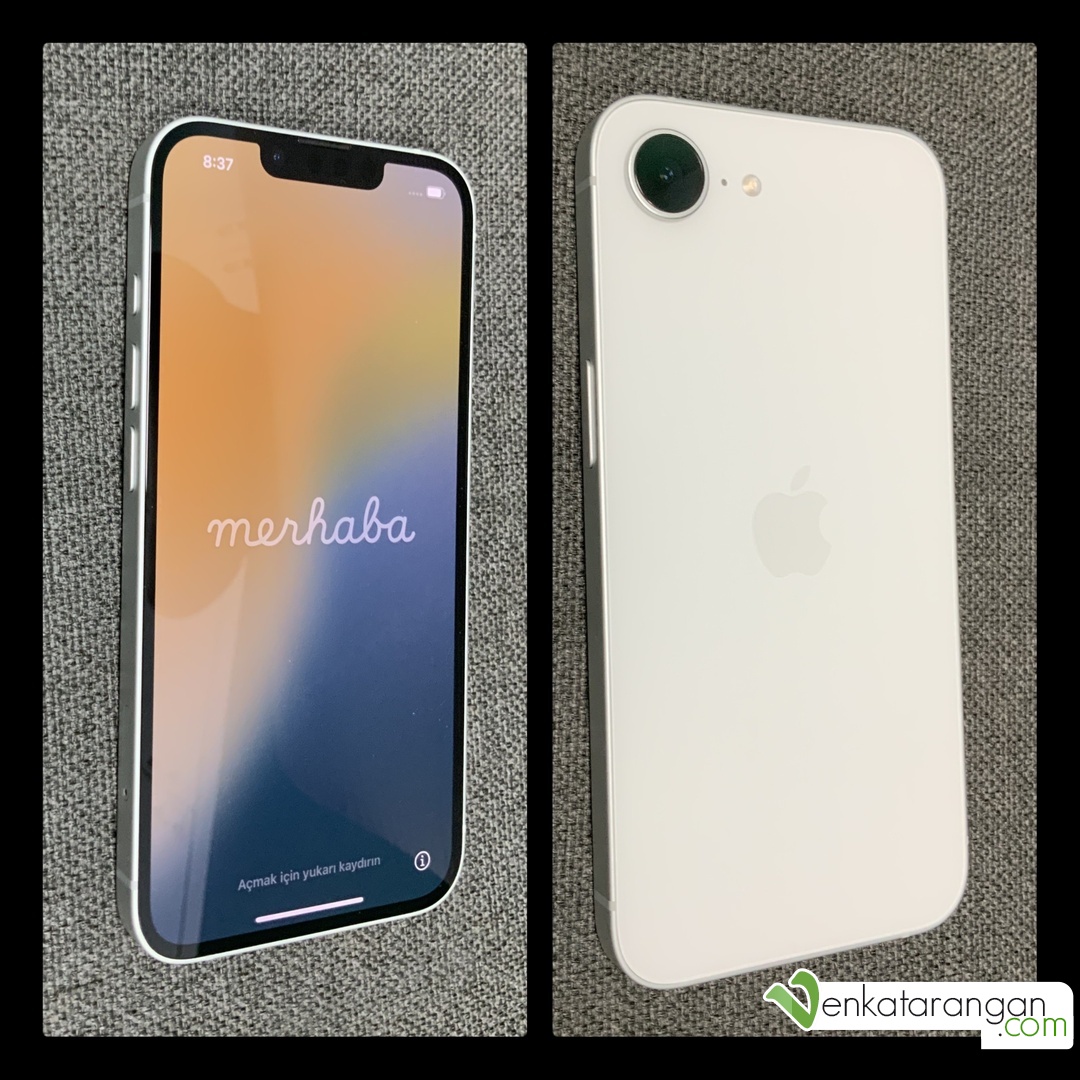
Last month, I switched from my trusted iPhone 12 Pro to the newly launched iPhone 16e. This is my fourth iPhone. My first was the iPhone 3G in 2009, followed by the iPhone 4 two years later. Then, for nearly a decade, I was happily in the Android ecosystem. It was only in late 2020 that I came back to Apple and bought the iPhone 12 Pro. Since then, I’ve been using it as my primary device.
The 12 Pro served me well. It had no scratches, no issues. I liked its 6.1″ size—large enough for reading and video calls, but still easy to hold. It was reliable, especially the camera, which meant my DSLR was sitting idle for most of these years. I didn’t miss any of the hardware features in the iPhone 13 to 15 line-ups and wasn’t drawn to the trend of bigger phones.
But in the last few months, battery life started becoming a problem. On days when I travelled and took a lot of photos, the phone would barely last half a day. I was carrying a power bank just to stay connected. Add to that, the 5G transition with Jio in Chennai was patchy at best.
Then came Apple’s announcement of the iPhone 16e. What caught my eye was the return to the 6.1” screen size, which I liked from the 12 Pro. It’s positioned as the entry-level model of the 16 series but comes with the latest A18 chip and the new neural engine—future-proof for upcoming features like Apple Intelligence. Priced at ₹59,000 (around $710), with Apple offering ₹27,000 (roughly $325) as exchange for my 12 Pro, the effective upgrade cost came to ₹32,000 (~$385). For a brand-new phone with the latest hardware and long software support, I felt it was a fair deal.
I had ordered the iPhone 16e online on the day it was announced. Apple promised delivery on 28th February—and impressively, it arrived exactly on that date, albeit a bit late in the evening. Their global logistics worked like clockwork.
Comparing the two phones, the 16e doesn’t feel like a downgrade. Both have similar screen quality. The 12 Pro had telephoto and ultra-wide lenses, but I find the 48MP primary camera on the 16e compensates well for most use cases—except when I want that ultra-wide angle. I do miss that occasionally. The newer phone also supports more 5G bands globally, which is handy for travel. It still retains the physical SIM tray in India, a useful touch when you travel and buy local SIMs. The USB-C port is a welcome change, allowing me to reuse my existing chargers.
A minor change I had to adjust to was the removal of the silent mode switch. The new Action button on the side replaces it, and with haptic feedback, it works just as well—maybe even better, since it’s customisable.
iPhone 16e feels like a good upgrade from the 12 Pro for someone who wants a manageable phone size, up-to-date hardware, and long-term iOS support. I didn’t go in expecting a revolution—it’s still an iPhone, with the same closed system and quirks. Built-in apps like Phone and Messages still lack the basic flexibility you find on Android. The spam SMS control is primitive. And even after all these years, managing built-in app settings still involves digging into the separate Settings app and searching (which itself is flaky now).
But one thing that truly surprised me—in a good way—is the battery life. The 16e comfortably lasts an entire day even during travel, with GPS, photography, and social media all in use. On regular days with light to moderate use, it easily goes two full days on a single charge. After struggling with my old phone’s battery for months, this was a welcome relief.
But the smooth upgrade was hit by one major snag—eSIM transfer in India.

Apple India’s courier-based exchange system required that I reset my old phone before receiving the new one. And that’s where the trouble started. The eSIM gets wiped with the reset, and since Jio doesn’t let you activate a new eSIM without an OTP sent to the same number (which is now gone), you’re stuck. iCloud doesn’t back up eSIM profiles. Jio’s app requires you to be online on your old phone to initiate the transfer. With no active SIM, I had to visit a Jio store to get a fresh eSIM issued after ID verification. This meant wasted time and a forced outing just to restore connectivity.
On a second attempt (another family member’s upgrade), I tried a workaround. The Bluedart courier casually suggested I first transfer the eSIM to a spare phone—luckily, I had a Pixel lying around. So, I moved the Jio eSIM to the Pixel, handed over the old iPhone, received the new one, and then transferred the eSIM again. It worked—but triggered two 24-hour SMS blackouts due to security policies on SIM swaps. So, I was without SMS for 48 hours. Not ideal, especially if you rely on SMS OTPs for banking.
Honestly, Apple and Jio both can do better here. A smoother eSIM transition process should be part of any upgrade path in 2024.
Final thoughts: I’m happy with the move. I got a familiar experience with improved battery, new features, and a reasonable exchange deal. And now I know—plan your eSIM move in advance, especially in India.
Discover more from Mangoidiots
Subscribe to get the latest posts sent to your email.