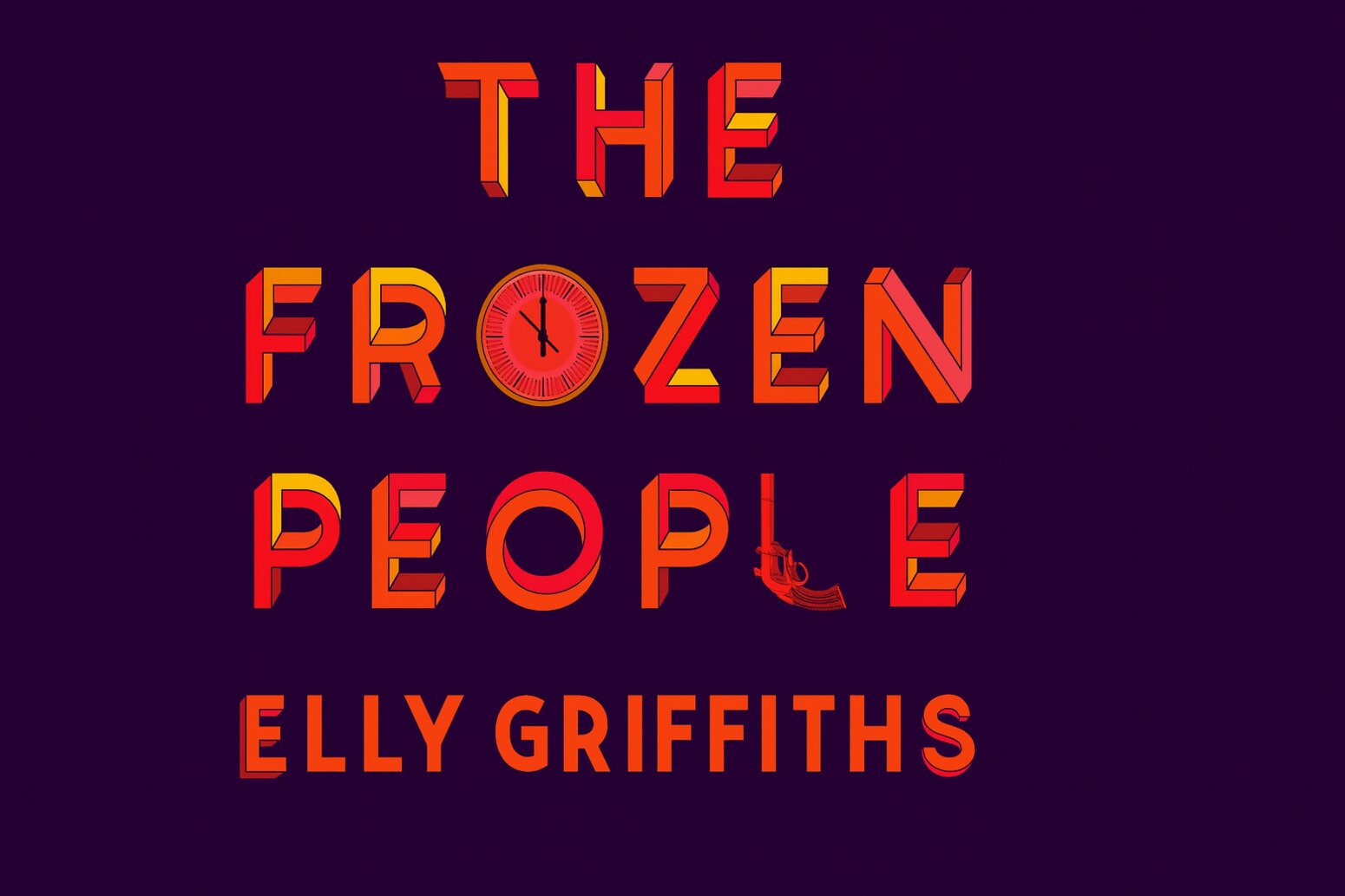
While browsing online, the description of this book instantly drew me in. A British police investigative unit with a secret weapon—time travel. They don’t use it to rewrite history or make quick arrests, only to reopen cold cases that have been gathering dust for decades. The idea of solving “frozen” cases through time travel was too tempting to pass up.
The story follows Ali Dawson, a Detective Sergeant with the Metropolitan Police Cold Cases Unit. Her latest assignment takes her back to the 1850s to investigate whether the great-grandfather of a powerful MP might have been a murderer. But things don’t go as planned—Ali gets stuck in the past. Whether she returns to the present and what really happened across the two timelines forms the core of the book.
The novel starts off slowly but gradually picks up pace. The 1850s scenes are the real highlight; the author paints the period vividly and keeps the tension alive by alternating between past and present. The language is simple and easy to follow, making it a comfortable read.
However, the ending felt too neat and hurried. For a science fiction story, there’s surprisingly little effort to explain the time travel technology itself. A few lingering questions remain—why only this team has access to it, why it matters so much to the MP, and what the larger implications might be.
Ali’s motivation for the time travel could have been stronger; it would’ve made her journey more compelling. Similarly, the concept of “The Collectives” in the 1850s is fascinating but left underexplored. At times, the story drifts away from its main thread, diluting the excitement of both timelines.
In the end, The Frozen People is an enjoyable read that stands out for its inventive premise and atmospheric writing. I liked it and will remember it for its originality, even if I wish it had reached a bit further.
Discover more from Mangoidiots
Subscribe to get the latest posts sent to your email.